- 東京都健康長寿医療センター(研究所)
- English
- Research Team
- Research Team

Research on Biology and Medical Sciences
From the Vice-president ( Biology and Medical Sciences )
Vice-president ( Biology and Medical Sciences )
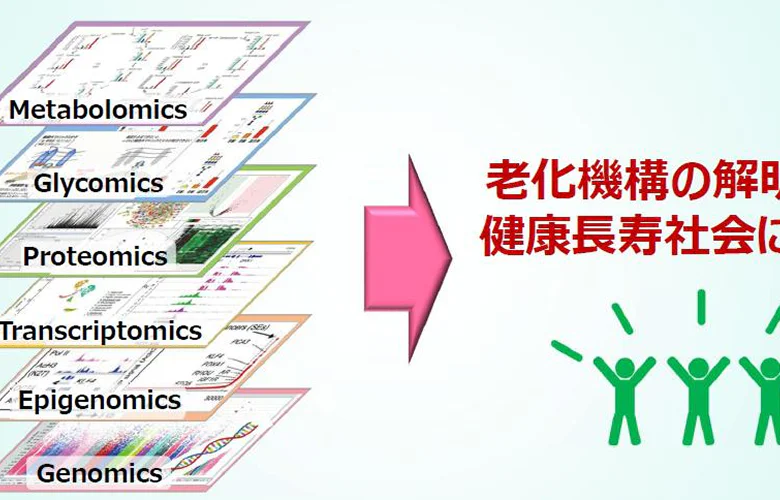
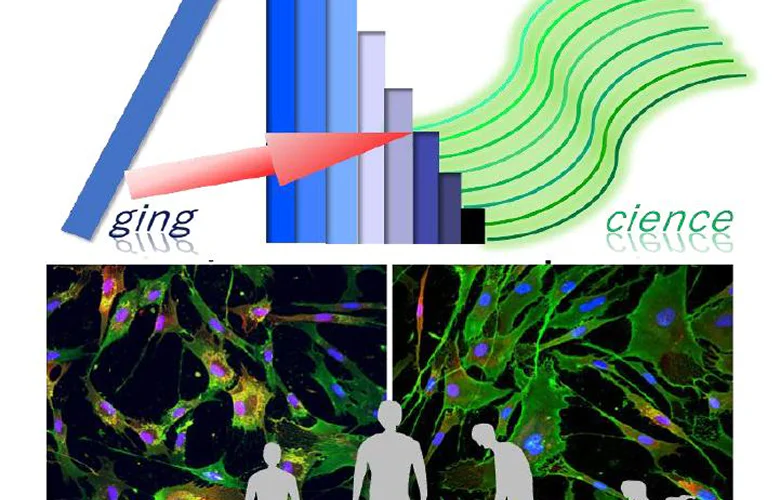
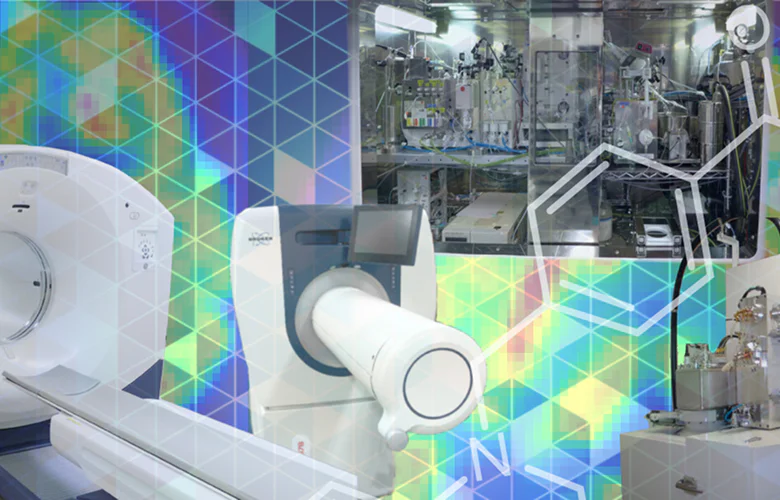
The Fourth Medium-Term Research Projects' Plan, approved by the Tokyo Metropolitan Assembly, will be developed in the next five years from FY2023 to FY2027. During this period, the Division of Biology and Medical Sciences will strive to elucidate the mechanisms of pathogenesis and pathology, and aging to prevent, detect, and treat geriatric diseases such as vascular diseases, elderly cancer, dementia, and diabetes. Additionally, we will focus on other geriatric clinical syndromes such as sarcopenia and frailty, which are unique to the elderly. Furthermore, we will develop and apply new imaging analysis techniques and early diagnosis methods for dementia using positron emission tomography (PET), and participate in clinical trials in Japan and overseas to return the results of our research to society.
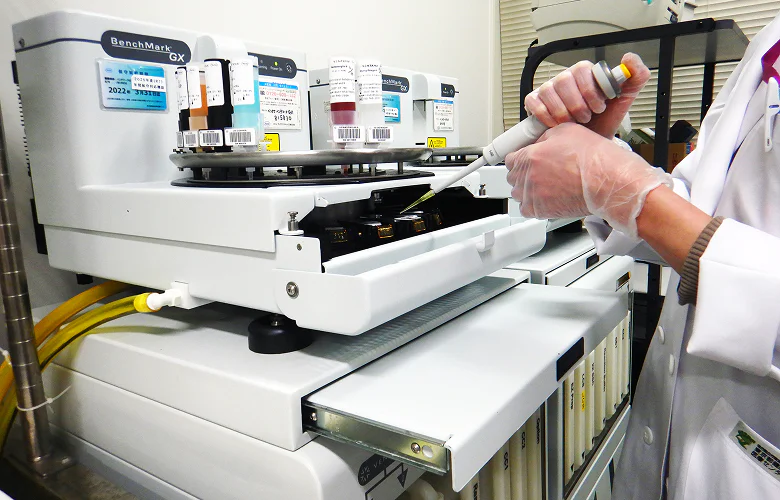
The Division of Biology and Medical Sciences consists of six research teams: Mechanism of Aging, Functional Biogerontology, Aging Neuroscience, Aging Science, Geriatric Pathology, and Neuroimaging. Each research team includes researchers with diverse areas of expertise, including aging science, aging medicine, gerontology, glycobiology, proteomics, molecular biology, genetics, nutrition, neuroscience, behavioral science, pathology, nuclear medicine, cancer, and artificial intelligence (AI), among others. Additionally, through projects for promotion of research infrastructure, such as the Brain Bank for Aging Research (BBAR) and the Bioresource Center, we will contribute to the development of geriatric research and medical care for the elderly in Japan and other countries. Thus, researchers conducting cutting-edge research in various specialized fields have convened to investigate and elucidate the multifaceted and complex mechanisms of aging.
Japan is already a super-aging society, and its citizens are eagerly expecting results from the research on aging, that will enable the elderly to maintain a healthy lifestyle and live in the community. The Division of Biology and Medical Sciences is responsible for publishing the results of conducted research to improve the medical care of Japanese citizens. In addition, we will contribute to the society by exchanging with researchers in other countries in Asia, Europe, and the United States by disseminating the knowledge from Japan to the world, to achieve improved health and longevity for the elderly.
Research on Social and Human Sciences
From the Vice-president ( Social and Human Sciences )
Vice-president ( Social and Human Sciences )
The Social and Human Sciences Research Division aims to achieve healthy longevity and well-being. From the perspective of "prevention and involvement", our goal is to pursue applied or practical research along with some basic research intending to find solutions in older adults for dementia, frailty, and social issues in isolation and loneliness.
The research division consists of three teams: 1)Social Participation and Healthy Aging, 2)Promoting Independence and Mental Health, and 3)Human Care, adding to three thematic groups belong to each team.
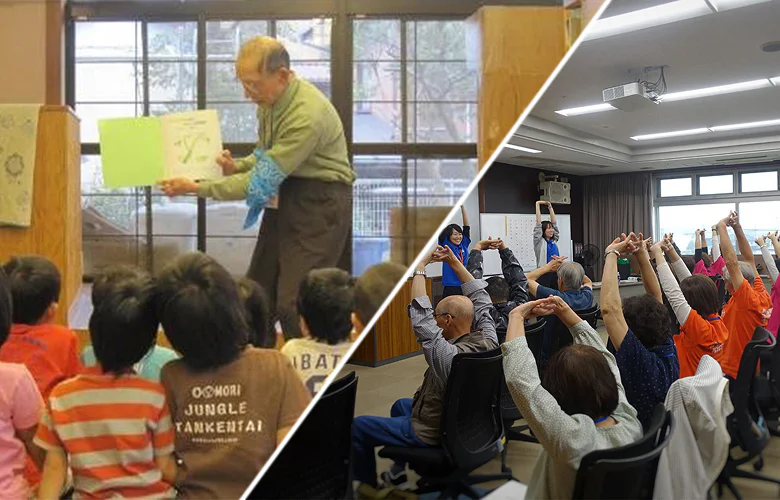
Regarding research content, for individual older adults, we study their lifestyle habits including exercise, nutrition, oral care, and participation and contribution in the community, as well as managing chronic diseases, such as diabetes and musculoskeletal diseases. However, healthy longevity and well-being cannot be achieved through individual efforts alone. From the perspective of environmental factors in older adults, we also promote research on local and social surroundings, social system, and digital transformation.
We are also conducting comprehensive research on dementia and frailty in collaboration with"IRIDE, the Integrated Research Initiative for Living Well with Dementia", and "the Center for Preventative Frail Elderly Care", which are cross-sectional organizations that include the Hospital department and the Biology and Medical Sciences Research Division. We also collaborate with public sectors and private companies to enable the results of our research to be given back to society at large.
Mr. Eichi Shibusawa, the first director of theYouiku-in,the roots of our institution, in his masterpiece "Analects and Arithmetic", indicated that cooperation between welfare and business is the cornerstone for the sustainable development of Japanese society. This message is the true aim for the Social and Human Sciences Research Division, which is "development of research in health and welfare with its social implementation and return".
Japan faces impending " Year 2040 Issue". In 2040, the "baby-boom juniors" reach the "older generation", and a rapid decline of working generation is expected. Finding the solutions is necessary. One key approach is to develop, test, and implement programs that enable older adults to actively participate in various roles, to generate a ripple effect of benefits, what we call "Win-Win-Win" model, not only for older adults themselves but also for people around them and society. Through this initiative, we aim to foster a sustainable, inclusive society where all generations can live with hope and dignity while affording our super-aged society together. Our hope is, therefore, to contribute to a "sustainable community of mutual support, built in partnership with older adults".
We sincerely appreciate your support and cooperation in this endeavor.